Prevent Moisture Damage
Support skin integrity and healing with the right tools
Moisture management is a persistent, widespread problem in healthcare environments.1 Healthy skin depends on a balance because too little moisture leads to dryness, cracking and impaired barrier function; too much moisture softens the skin, increases friction, alters skin pH and makes tissue more vulnerable to breakdown.1 Excess moisture can come from everything from perspiration and wound exudate to urine, stool, respiratory secretions and condensation from medical devices.1, 2
For frontline nurses and clinical leaders, understanding the fundamentals of moisture management can play a role in your facility’s overall skin management.
Why too much moisture puts skin at risk
Prolonged exposure to moisture can result in moisture-associated skin damage (MASD), an umbrella term that includes incontinence associated dermatitis (IAD), intertrigo, periwound maceration and peristomal dermatitis.1
MASD is often painful for patients and time consuming for staff to treat. But it is also largely preventable. A proactive, system based approach can make a measurable difference.1
Staying one step ahead of IAD
Urinary and fecal incontinence are among the most common contributors to moisture damage. When urine and stool remain in contact with the skin, they raise skin pH and activate enzymes that weaken the epidermal barrier.1
Prevention strategies include:1
- Effective skin care routine, including prompt cleansing after every incontinent episode with gentle, pH balanced cleansers (avoiding alkaline soaps)
- Consistent use of moisture barriers, such as zinc oxide or polymer based protectants
- Selecting absorbent products that wick moisture away from the skin
- Using briefs or pads with wetness indicators or real-time alerts to reduce unnecessary checks while ensuring timely changes
- For some patients or residents, consider implementing a scheduled toileting program
Prioritizing standardized incontinence care facility protocols helps promote consistent prevention practices across care teams and shifts.3
Intertrigo and skin folds
Intertrigo develops where skin surfaces touch—under the breasts, abdominal pannus, groin and between toes—very often seen in patients with obesity. Heat, friction and trapped moisture create an ideal environment for inflammation and secondary fungal infection.1
Prevention strategies include:1
- Keeping skin folds clean and dry without over cleansing
- Avoiding talc or cornstarch powders that may irritate skin
- Using moisture wicking fabric sheets designed for skin folds
- Monitoring high risk patients, such as those with obesity, diabetes or limited mobility
Managing intertrigo isn’t about eliminating moisture entirely—it’s about controlling it while protecting fragile skin.
As many as 73% of IAD cases in hospitalized patients were acquired during hospitalization8
Wound care and periwound protection
Moisture is essential for wound healing, but wound exudate can be highly damaging to surrounding skin. When drainage exceeds a dressing’s capacity, maceration and skin erosion often follow.1
Prevention strategies include:1
- Matching dressing absorbency to exudate level
- Adjusting dressing change frequency as drainage fluctuates
- Using skin barriers on periwound tissue to protect against enzyme rich fluid
- Minimizing adhesive trauma by choosing gentle or silicone based options when appropriate
Routine periwound skin assessment should be as standard as wound measurement itself.
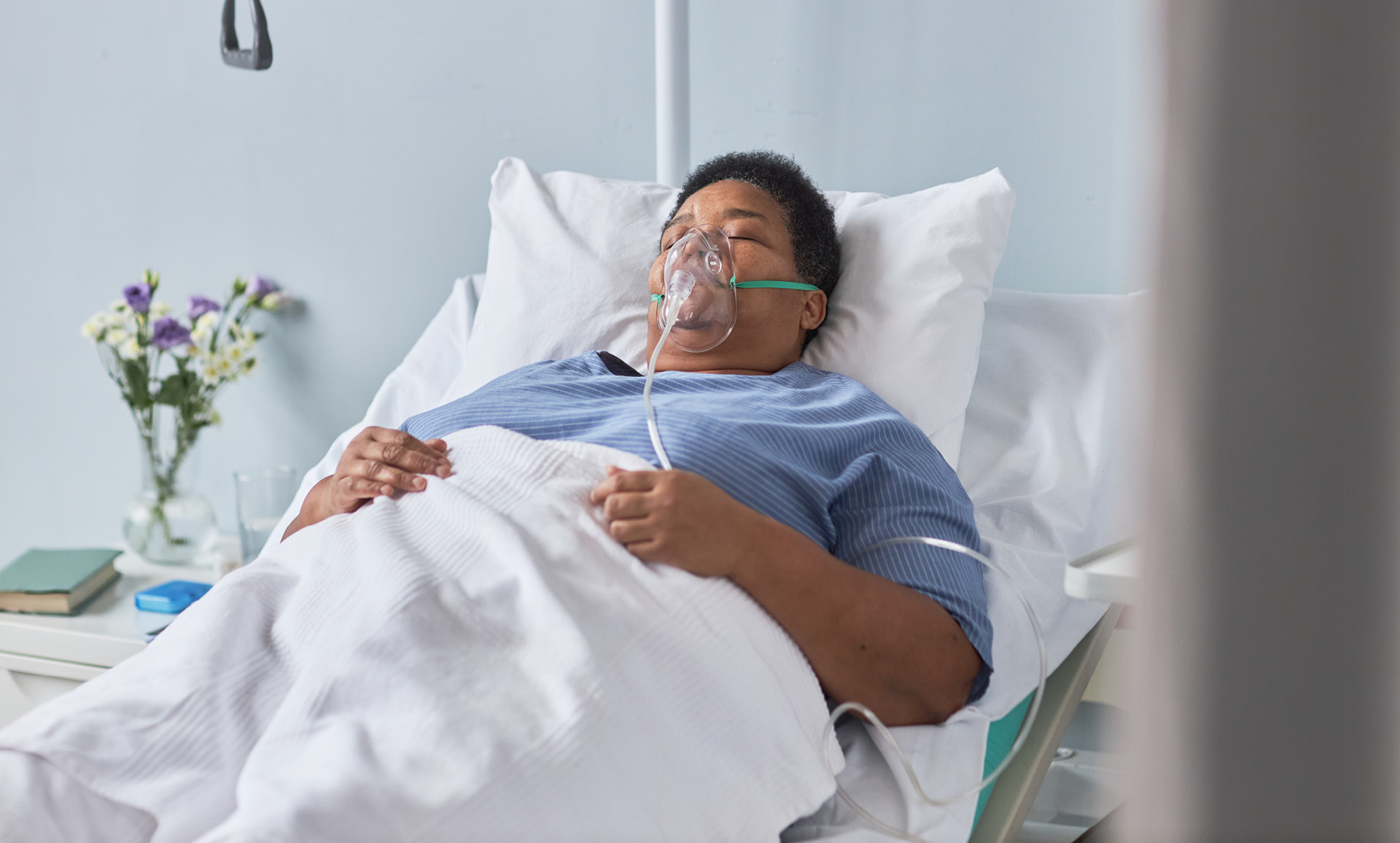
Respiratory care that manages moisture too
In respiratory care, humidification plays a critical role in patient safety and comfort—particularly for patients receiving oxygen therapy or mechanical ventilation.4 Inadequate humidification can dry mucosal surfaces, thicken secretions and increase infection risk, but excess condensation in circuits can introduce its own risks.4,5 Respiratory therapists and nurses can work together to help maintain moisture balance.
Prevention strategies provided by Jason Kutinac, MBA,RRT, CLSSGB, Medline Clinical Solutions Manager, include:
- Using appropriate humidification systems based on therapy type
- Monitoring for condensation buildup in ventilator circuits
- Ensuring proper device fit to reduce moisture accumulation around masks, tubing or tracheostomy sites
- Protecting skin under respiratory devices with breathable barriers when needed
Studies show 17% of nursing home residents have ITD9
Transepidermal water loss
Skin that’s losing moisture can also contribute to skin breakdown. Transepidermal water loss (TEWL) weakens
the skin barrier and increases the risk of breakdown.6 Transepidermal water loss occurs when water passes from the dermis through the epidermis and evaporates from the skin’s surface. The more TEWL increases, the more the skin’s barrier function is weakened.
Prevention strategies include:6,7
- Moisturize consistently using adequate amounts
- Choose creams or ointments over lotions, as they are more effective at sealing in moisture and limiting evaporation
- Look for barrier-supporting ingredients, such as dimethicone, which help defend skin against ongoing water loss
- Apply barrier products after every moisture exposure, especially following incontinence episodes
Promoting product education, access to supplies and facility best practices can help empower staff to strengthen patient skin integrity to prevent avoidable damage from TEWL.
Building a culture of prevention
Moisture management is most effective when it’s proactive, not reactive. Education, product consistency and interdisciplinary collaboration help teams move from treating skin damage to preventing it.
Moisture is unavoidable in clinical care—but moisture damage is not. By returning to the basics of assessment and protection, your team can reduce the risk of damage due to excess or lack of moisture. Prevention starts with awareness, and small, consistent actions add up to meaningful impact.